
We’ve crafted a comprehensive On-Page SEO Checklist to guide you every time you publish new content or audit your website. Follow these steps to maximize your ranking potential and stay ahead of the competition.
1. Keyword Optimization: The Foundation of SEO Success
Main Keyword Identification
Start by selecting a primary keyword that balances relevance, authority, and search volume. Utilize keyword research tools like Google Keyword Planner, SEMrush, or Ahrefs to find terms that your target audience is searching for. For example, if you’re focusing on “best running shoes,” ensure your content aligns with this keyword by providing in-depth reviews and comparisons that meet user expectations.
Avoid Keyword Cannibalization
Ensure each page on your website targets a unique keyword to prevent your content from competing against itself. Keyword cannibalization can confuse search engines and dilute your ranking potential. Regularly audit your content to identify and resolve any overlaps.
Search Intent Alignment
Understand the intent behind your target keyword, whether it’s informational, navigational, or transactional. Tailor your content to meet this intent. For instance, users searching for “how to choose running shoes” are seeking informational content, while “buy running shoes online” indicates transactional intent.
Secondary and LSI Keywords
Incorporate secondary keywords and Latent Semantic Indexing (LSI) keywords to add depth to your content. These related terms help search engines understand the context and improve your chances of ranking for multiple search queries. Tools like LSI Graph can assist in identifying relevant keywords.

2. Titles and Meta Tags: Crafting the Perfect First Impression
Keyword Placement in Titles
Place your primary keyword at the beginning of your title tag to maximize its impact. A well-crafted title not only improves SEO but also entices users to click. For example, “Best Running Shoes for Beginners: Top 10 Picks for 2023.”
Engaging and Unique Title Tags
Create title tags that are clear, accurate, and compelling. They should reflect the content’s value and encourage users to click through. Keep them under 60 characters to ensure they display properly in SERPs.
Optimized Meta Descriptions
Write meta descriptions under 160 characters that summarize your content and include your main keyword naturally. While meta descriptions don’t directly influence rankings, they impact click-through rates. An enticing description can significantly increase traffic.
Use of Schema Markup
Implement schema markup to provide search engines with additional information about your content. Rich snippets like star ratings, product prices, and event dates can enhance your listing’s appearance and improve click-through rates.
3. URL Structure: Simplify and Optimize

Short and Keyword-Rich URLs
Keep your URLs concise and include your main keyword to improve readability and SEO. Avoid unnecessary characters and stop words. For example, “www.yourwebsite.com/best-running-shoes-2023.”
Logical Site Structure
Organize your content hierarchically using categories and subcategories. A clear breadcrumb trail not only helps users navigate but also assists search engines in understanding your site’s structure.
Consistent URL Formatting
Maintain consistency in your URL formatting across your site. Choose between using hyphens or underscores and stick with your choice to avoid confusion and potential indexing issues.
4. Content Structure: Readable and Relevant
Use Headers (H1, H2, H3)
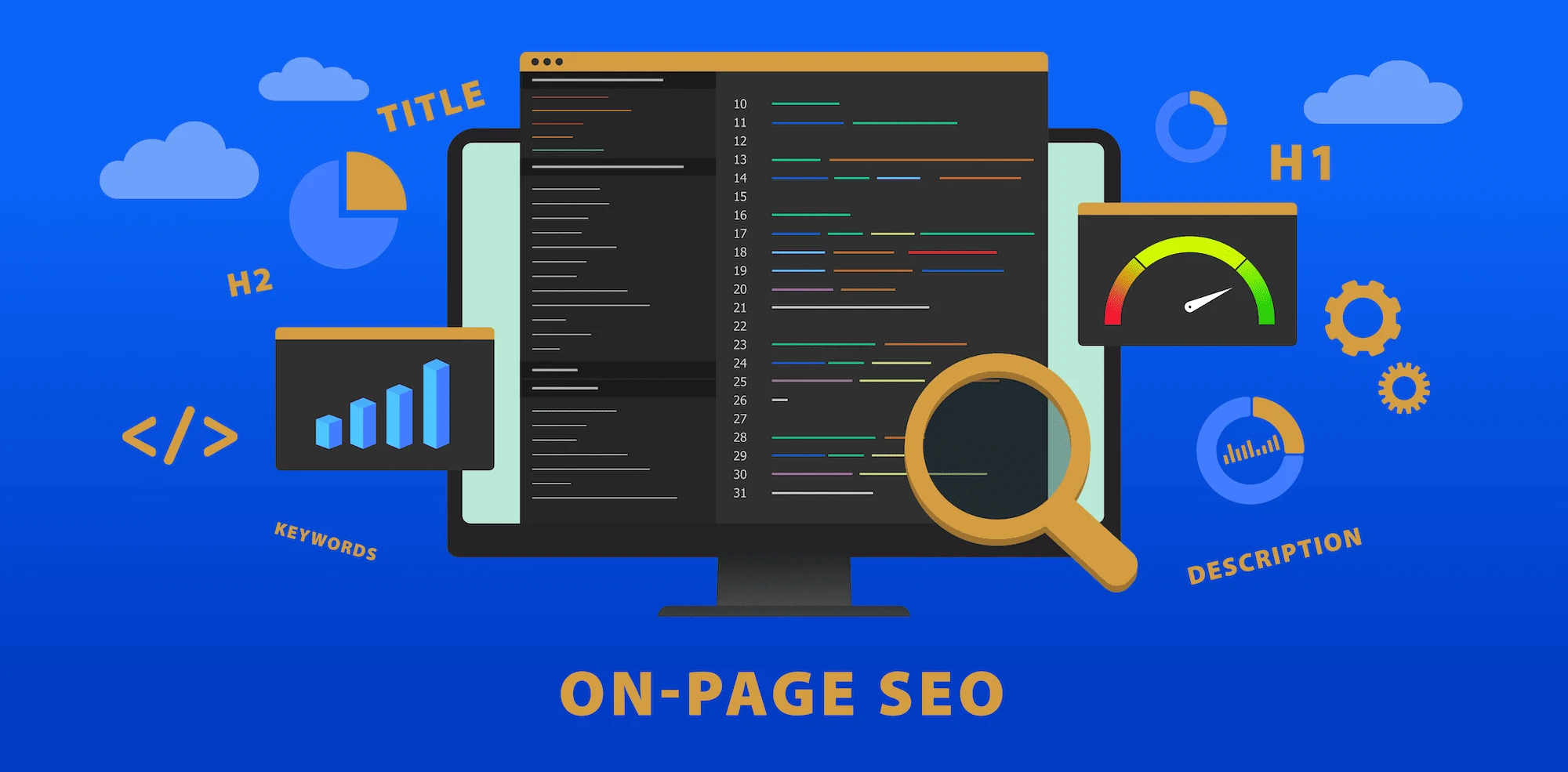
Utilize heading tags to structure your content logically. Your H1 tag should contain your main keyword and represent the main topic. Subheadings (H2, H3) break down the content into digestible sections, improving readability and SEO.
Write for Humans and Search Engines
Craft content that is engaging and easy to read. Use short sentences, bullet points, and numbered lists to enhance user experience. This approach not only keeps readers engaged but also makes it easier for search engines to crawl and index your content.
Include Multimedia
Incorporate images, videos, infographics, and other multimedia elements to enrich your content. Visual aids can enhance understanding, keep users on your page longer, and cater to different learning styles.
Internal and External Links
Link to relevant internal pages to improve navigation and distribute page authority. Additionally, include external links to reputable sources to build trust and provide additional value to your readers.
Optimize Content Length
While there’s no perfect length for SEO, longer, more comprehensive content tends to perform better. Aim to cover your topic thoroughly, addressing common questions and providing in-depth insights.
5. Images: Optimize for Speed and Searchability
Reduce File Size
Compress images without compromising quality to ensure faster page loading times. Tools like TinyPNG or ImageOptim can help reduce file sizes.
Keyword-Rich Image Names
Rename your image files to include relevant keywords before uploading them. For example, instead of “IMG_001.jpg,” use “best-running-shoes-2023.jpg.”
Add Alt Text
Provide descriptive alt attributes for all images. Alt text improves accessibility for users with screen readers and helps search engines understand the image content. Include keywords naturally without overstuffing.
Use Proper Image Formats
Choose the right image format for your needs. JPEGs are great for photographs, while PNGs are better for graphics with transparent backgrounds. Consider using WebP format for better compression and quality.
6. Content Quality: Deliver Value
Fresh and Unique Content
Regularly update your content to keep it current and relevant. Search engines favor websites that consistently provide new information. Ensure all content is original and free from plagiarism by using tools like Copyscape.
Match User Intent
Align your content with the needs and expectations of your target audience. Conduct audience research to understand their pain points and tailor your content to provide solutions.
Spelling and Grammar
Maintain high standards of spelling and grammar. Errors can undermine your credibility and deter readers. Use proofreading tools like Grammarly to polish your writing.
E-E-A-T Principles
Focus on Experience, Expertise, Authoritativeness, and Trustworthiness (E-A-T). Demonstrate your expertise through well-researched content, establish authority by citing reputable sources, and build trust with transparent practices.
7. Technical SEO: Strengthen Your Site’s Foundation
Mobile Optimization
Ensure your website is mobile-friendly. With Google’s mobile-first indexing, a responsive design is critical for SEO success. Test your site’s mobile performance using Google’s Mobile-Friendly Test tool.
Page Speed Optimization
Improve your site’s loading speed by minimizing HTTP requests, leveraging browser caching, and optimizing code. Faster sites offer better user experiences and are favored by search engines.
Secure Your Site with HTTPS
Implement an SSL certificate to encrypt data and provide a secure browsing experience. HTTPS is a ranking signal for Google and builds user trust.
XML Sitemap and Robots.txt
Create an XML sitemap to help search engines crawl your site more effectively. Use the robots.txt file to guide search engine bots on which pages to crawl or avoid.
Canonical Tags
Use canonical tags to prevent duplicate content issues by specifying the “preferred” version of a page when multiple versions exist.
8. User Engagement: Foster Interaction and Retention

Encourage Social Sharing
Add social sharing buttons to your content to increase visibility and reach. When users share your content, it can lead to more traffic and potential backlinks.
Implement Interactive Elements
Use quizzes, polls, and comment sections to engage users actively. Interactive content can increase time on page and improve user satisfaction.
Call-to-Action (CTA)
Include clear and compelling CTAs to guide users toward desired actions, such as subscribing to a newsletter, downloading a guide, or making a purchase.
Monitor Bounce Rate and Dwell Time
High bounce rates can signal to search engines that your content isn’t meeting user needs. Analyze user behavior to identify areas for improvement and keep visitors engaged longer.
9. Analytics and Monitoring: Measure Performance
Set Up Google Analytics and Search Console
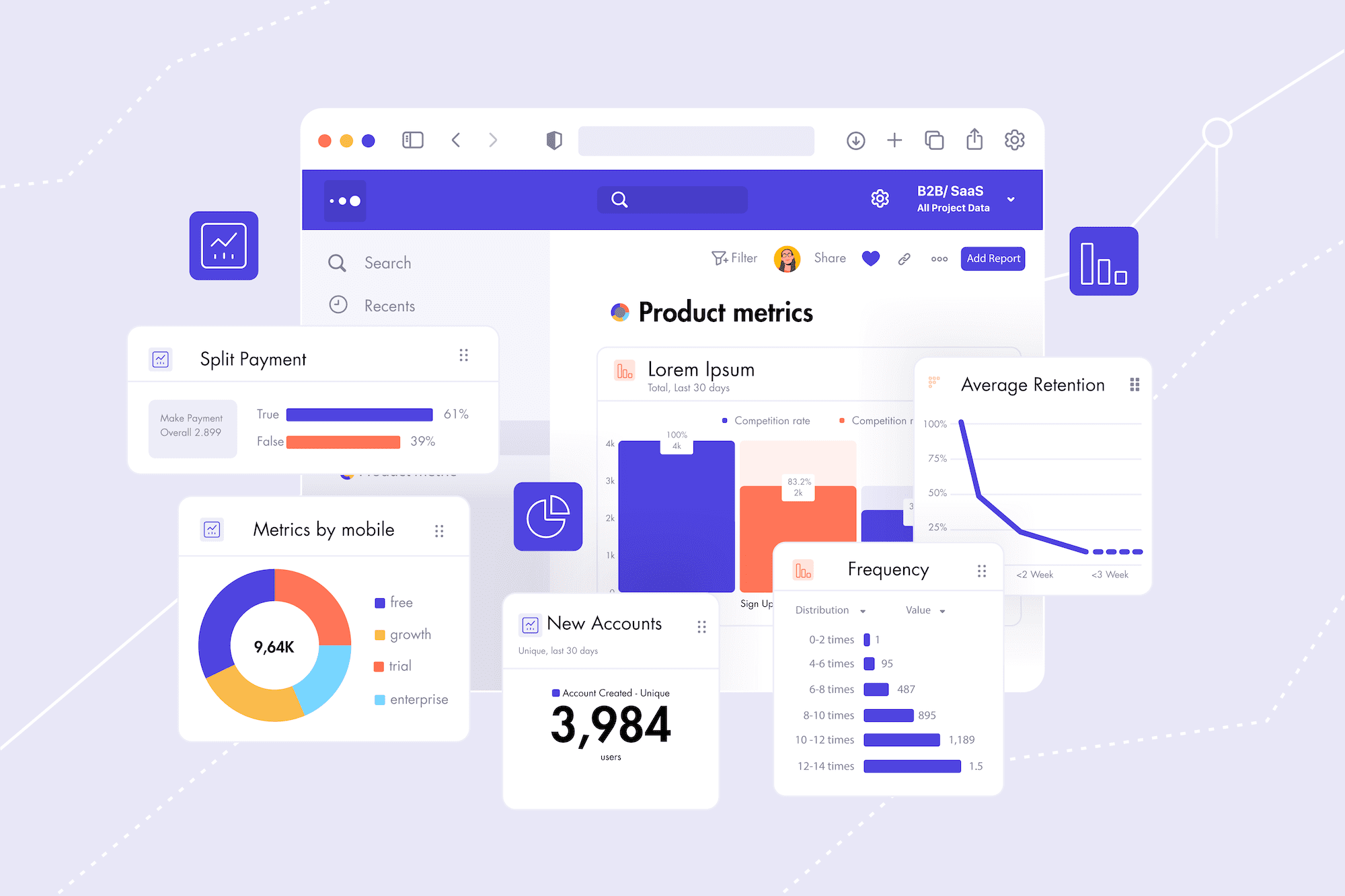
Track your website’s performance using these essential tools. They provide insights into traffic sources, user behavior, and potential technical issues affecting your SEO.
Monitor Keyword Rankings
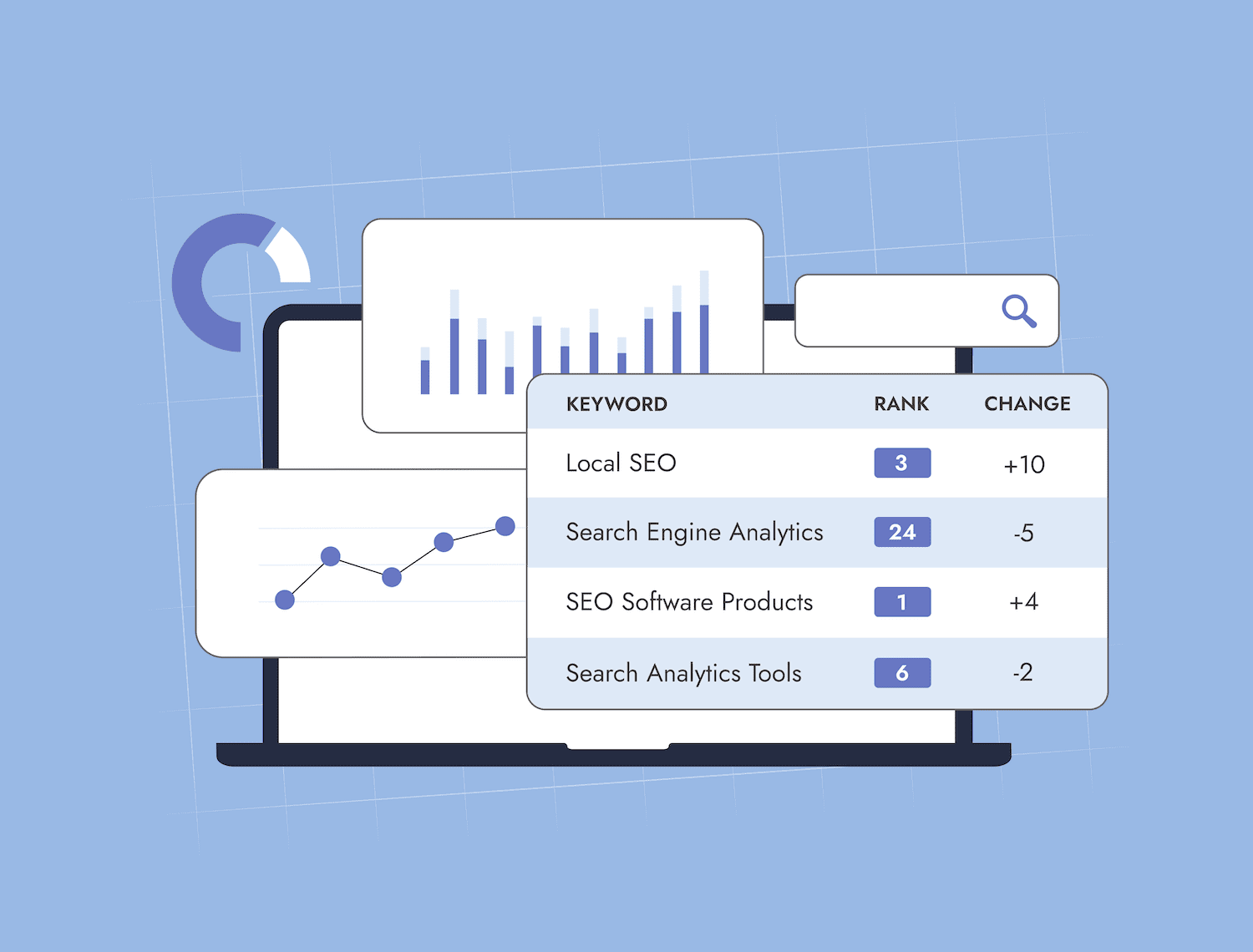
Keep an eye on your keyword positions to evaluate the effectiveness of your SEO strategies. Tools like SEMrush or Ahrefs can help track rankings over time.
Conduct Regular SEO Audits
Periodically audit your site to identify and fix issues like broken links, duplicate content, or slow-loading pages. Regular maintenance ensures optimal performance.
10. Local SEO (If Applicable): Optimize for Local Searches

Google My Business Listing
Claim and verify your Google My Business profile. Provide accurate information, including address, phone number, and business hours to enhance local visibility.
Local Keywords
Incorporate local keywords into your content and meta tags if you’re targeting a specific geographic area. For example, “best running shoes in New York.”
Customer Reviews and Ratings
Encourage satisfied customers to leave positive reviews on your Google My Business listing and other review platforms. High ratings can boost your local search rankings.
By diligently following this comprehensive On-Page SEO Checklist, you can create well-optimized content that resonates with users and performs effectively in search engines. Remember that SEO is an ongoing process, regularly update your strategies to adapt to algorithm changes and evolving user behaviors.
Investing time and effort into on-page SEO not only improves your rankings but also enhances the overall user experience, leading to higher engagement and conversions. If you need personalized guidance or a full SEO audit to elevate your online presence, reach out to us at Asia Media Studio. Our team of experts is ready to help you unlock your website’s full potential.
Ready to take your website to the next level? Contact Asia Media Studio today for expert SEO solutions tailored to your business needs.

Let’s keep in touch.
Follow Asia Media Studio for design insights and updates on Facebook, Instagram, and LinkedIn.